Stepping into the world of traditional tabletop card games requires a solid understanding of how specific card hierarchies operate across different variations. Whether you are aiming to master high-stakes strategy games or casual family favorites, knowing how individual ranks stack up is the key to victory. Developing a deep awareness of these mathematical frameworks allows you to make calculated decisions rather than relying purely on luck.
The Core Progression of Standard Hierarchies
In most traditional card setups, the standard progression begins with the lowest numerical values and moves sequentially up toward the royalty options. Numbered cards from two to ten generally form the predictable baseline of your ongoing hand evaluation metrics. Recognizing this linear hierarchy helps players quickly tally their potential strength or risk during intense gaming rounds.
For the majority of popular games, higher numbers naturally defeat lower numbers in head-to-head match dynamics. Mastering this standard sequence ensures that you can execute defensive maneuvers efficiently when opponents try to control the table layout. Learning these foundational details will immediately enhance your overall strategic capabilities during competitive sessions.
Evaluating the Power of Face Cards
Face cards, consisting of the Jack, Queen, and King, universally occupy the upper echelons of the deck ranking system. These courtly figures carry significant strategic weight and often dictate the final pace of a player's tactical decisions. Knowing how to utilize these high-tier assets effectively can drastically alter your defensive play and scoring outcomes.
In standard configurations, the King reigns supreme among the royal options, closely followed by the Queen and then the Jack. Because these assets hold such substantial authority, managing their presence in your hand requires a well-balanced approach. Learning when to hold or discard these powerful elements is essential for achieving long-term competitive success.
The Shifting Dynamic of Aces and Wilds
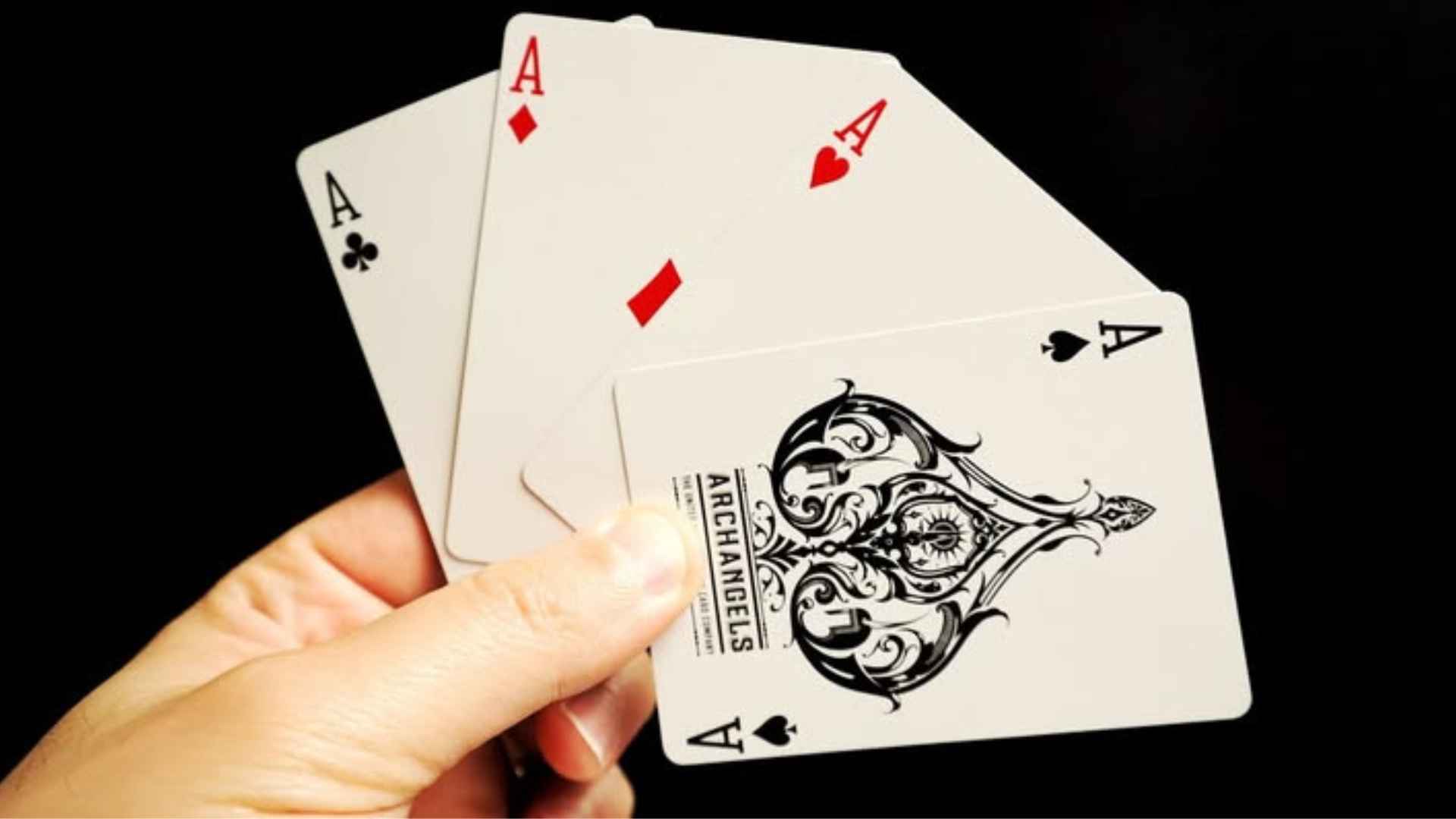
The ace stands out as the most dynamic component in the entire deck due to its shifting positions across diverse rule systems. In many traditional setups, it serves a unique dual purpose because it can occupy either the lowest or highest position in a sequence. Understanding how its role changes allows players to adapt their strategies seamlessly between different tournament formats.
Certain game variations value the ace as a simple one-point card, while others treat it as the ultimate high card above the King. Digital platforms often provide comprehensive insights into these complex structural variations to ensure players navigate the deck properly. For instance, players looking to test their tactical skills can explore an m88.com login alternatif to study various classic game setups online. Keeping track of how the ace alters hand mobility remains a vital skill for serious competitors.
Applying Strategy for Long Term Success
Ultimately, transforming your awareness of card hierarchies into actionable gameplay tactics will grant you a distinct competitive edge. You should actively aim to build strong combinations while systematically dissolving high-risk individual cards from your initial deal. This analytical approach protects your total score even during challenging rounds where the cards do not favor you.
Consistently monitoring the flow of the match helps you deduce which ranking values are safe to play and which ones your opponents are holding. Combining this sharp observational skill with a strict adherence to basic ranking logic guarantees long-term improvement. With dedication and steady practice, assessing deck value becomes second nature, leading to superior strategic outcomes.