Modern lottery terminals and draw equipment play a pivotal role in ensuring fairness and transparency across gaming establishments. Learning how to operate these devices efficiently helps retail clerks and draw coordinators manage ticket distribution and number selection smoothly. Understanding the foundational operational steps and internal safety protocols allows personnel to provide better service while maintaining complete operational integrity.
Initial Setup and System Initialization
Before launching daily operations, an operator must inspect the physical hardware to ensure all cables, paper rolls, and network connections are secure. Powering on the terminal initializes internal diagnostic software that checks communication links with the central lottery server. Once system diagnostics pass successfully, the operator must sign in using verified credentials to open the sales session.
Authorized personnel often access secure administrative portals, similar to performing a wd boss login, to manage session permissions and view real-time transaction reports. Completing these authorization checks guarantees that only certified staff members process entries and validate winning plays. Verifying paper inventory prior to opening prevents delays during high-traffic sales periods.
Navigating the Main Display Interface
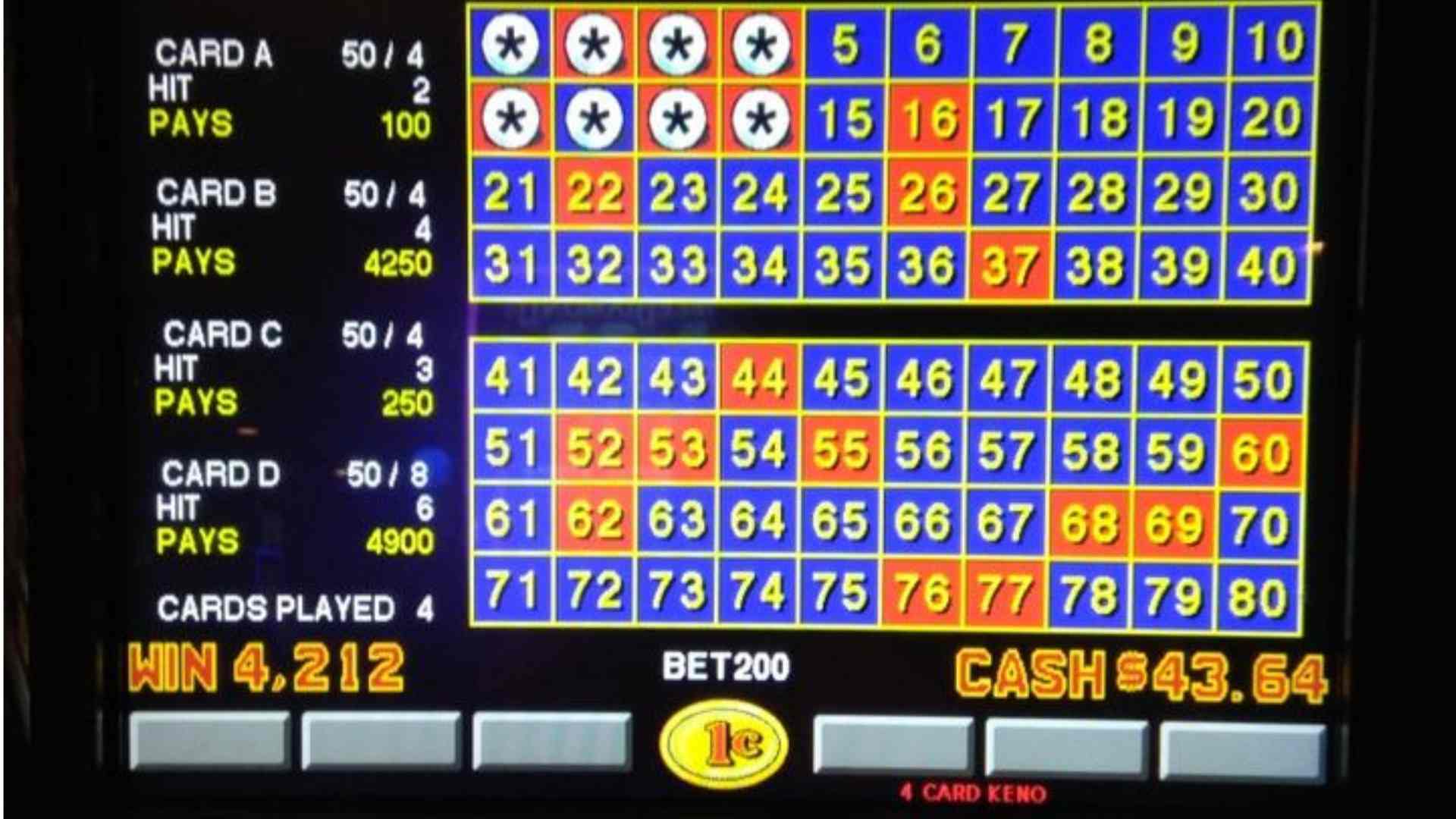
Most modern lottery terminals feature intuitive touchscreen displays designed to streamline selection menus and ticket scanning functions. Operators can select specific draw games, instant scratchers, or quick-pick options directly from the primary navigation screen. Clear layout designs allow staff to quickly adjust wager amounts, play types, and draw counts based on customer preferences.
The interface also provides real-time notifications regarding system updates, game schedules, and total sales volume. Quick access buttons enable fast barcode scanning for ticket validation and instant outcome confirmation. Familiarizing yourself with these visual prompts ensures efficient service during busy retail hours.
Understanding Mechanical Ball Draw Features
For live broadcast drawings, physical lottery machines utilize air-mixing or gravity-pick systems to select winning numbers randomly. Transparent acrylic chambers house calibrated balls that are tumbled using controlled air currents or mechanical arms. These physical mechanisms are visible to observers, reinforcing public trust in the randomness of each outcome.
Operators must carefully inspect the weight and physical condition of all draw balls before starting the mixing process. Automated release valves capture winning numbers one at a time, moving them into clear display tubes for verification. Routine maintenance and precise calibration keep these mechanical components operating without technical errors.
Ticket Issuance and Validation Protocols
Generating an official lottery ticket involves selecting requested play numbers and confirming customer details on the main terminal screen. Once confirmed, the integrated thermal printer outputs a high-resolution ticket complete with security barcodes and transaction timestamps. Staff should immediately verify that printed numbers match the selected options before hand-off.
When players return to claim rewards, the operator scans the ticket barcode through the terminal's optical reader to verify validity. The system cross-references the ticket ID against central database records to display the exact prize tier or payout status. Adhering to these strict verification protocols safeguards both the retail establishment and the ticket holder.