The layout and social dynamics of historical wagering salons fundamentally dictated how participants interacted with table games. Long before institutional rules fully standardized casino operations, classic gaming houses relied on fluid structural responsibilities divided among the guests. Examining the historical shift of these positions reveals how active human choices laid the operational groundwork for contemporary gaming culture.
The Emergence of Shared Financial Accountability
In early European private clubs, the responsibility of managing game funds was not a fixed asset controlled by the venue. Instead, participants routinely took turns holding the table bank, which required significant individual capital and risk management. This interactive format transformed passive bystanders into active decision-makers who bore direct financial liability for the collective wagers.
As these table mechanics grew in popularity, players developed specialized strategies depending on their physical seating relative to the dealer. This fluid arrangement ensured that every participant experienced different psychological pressures throughout a single evening session. Modern enthusiasts seeking to study similar dynamic wagering formats can easily access a wd boss login to explore an array of strategic digital options. This automated approach preserves historical card mechanics while streamlining complex organizational tasks.
The Croupier Transition to Professional Oversight
As gambling rooms shifted from secluded noble estates into early commercial spaces, the need for neutral administration became critical. Venues began introducing specialized staff members known as croupiers to ensure structural integrity and maintain strict table etiquette. These operators did not always bet their own capital but focused entirely on manual card handling and tracking point values.
The introduction of professional supervisors completely altered the social pacing and reduced personal disputes among players. Participants could focus more clearly on reading their opponents rather than managing the physics of the game. This separation of administrative duties from player strategies formed the structural blueprint observed on contemporary casino floors globally.
How Spatial Layouts Defined Group Dynamics
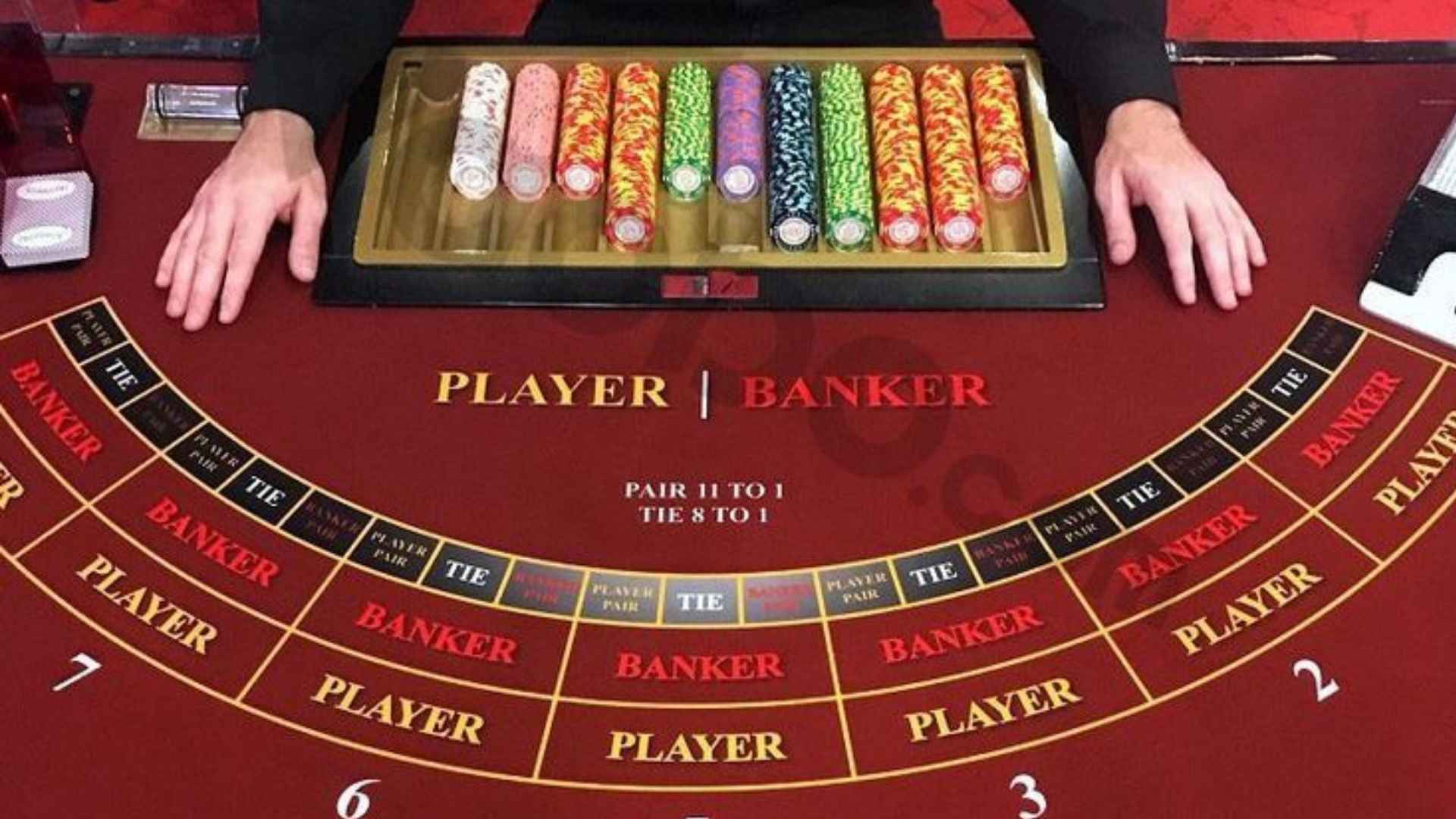
The physical scale and shape of traditional wooden tables heavily influenced how individuals communicated during a round. Large kidney-shaped configurations divided the room into distinct sectors, often isolating players into competing wings facing a centralized dealer. This spatial hierarchy forced people to act in specific sequences, giving strategic advantages to those positioned later in the deal.
Acting last allowed tactical thinkers to analyze prior behaviors and card distribution patterns before committing their resources. These environmental design elements successfully fostered an immersive community atmosphere that relied on silent gestures and mutual trust. Recognizing these architectural influences helps modern card lovers appreciate the deep evolutionary history underlying simple game variations.